
Where defects already become apparent during the construction phase, clients are therefore well advised to prevent the legal consequences of acceptance from taking effect. But what happens if the contractor requests acceptance despite the existence of defects? Is it sufficient for the client to have complained about the defects prior to the request for acceptance?
These questions were addressed by the Brandenburg Higher Regional Court (judgment of 21 November 2024, 10 U 131/23). The court clarified that a construction project may be deemed completed and the legal consequences of acceptance may arise even where (material) defects exist.
Acceptance Refused – Without Specifying Concrete Defects
The decision was based on the following facts:
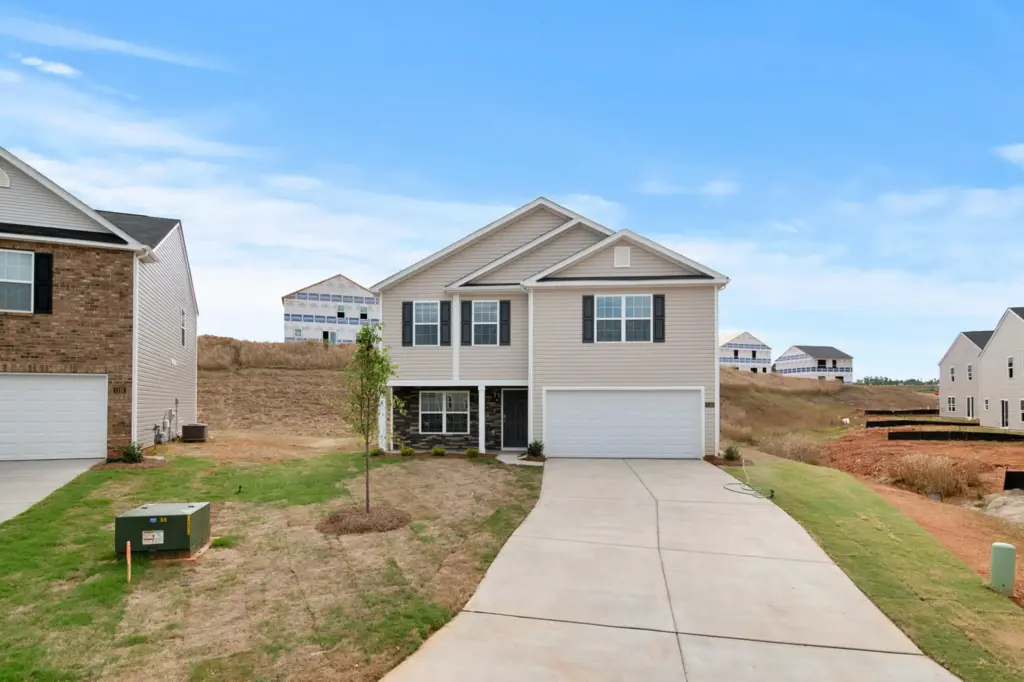
A property developer engaged a contractor to construct a residential house. In January 2020, the developer reported a number of defects. The contractor announced that he would remedy them but failed to do so.
One month later, the contractor set a deadline for acceptance. The developer refused acceptance on the grounds that the house was “not completed”, without identifying any specific defects or outstanding works. The contractor subsequently brought an action for payment of the outstanding contract price – and succeeded.
Completion Is Possible Even Where Material Defects Exist
The court based its decision on the concept of so‑called deemed acceptance under section 640(2) of the German Civil Code (BGB). Under this provision, a work is deemed accepted if, after completion, the contractor sets the client a reasonable deadline for acceptance and the client fails to object in due time while specifying at least one defect.
In works contract law, “completion” does not mean that all works must actually have been carried out and all defects fully remedied. A construction project may be regarded as completed even if material defects remain, provided that no outstanding contractual services are still owed and the work is, in itself, complete.
In the case at hand, although the developer refused acceptance, he did not specify any concrete defect. The defects complained of prior to the setting of the deadline were insufficient. In the interest of legal certainty, the developer would have been required to restate the defects.
Our Recommendation
If you are requested to accept works despite the existence of defects, you should respond carefully and within the applicable deadline. To ensure that the legal consequences of acceptance do not arise to your detriment, please observe the following:
- Respond in writing and with sufficient detail – a blanket refusal is not sufficient.
- Examine whether any outstanding services remain – these preclude completion.
- Restate any defects – even if you have already complained about them previously.
Do you have questions regarding the handling of a construction or works contract? The solicitors at SPIEKER & JAEGER will be pleased to assist you with their specialist expertise. Please feel free to contact us.